Thinkers
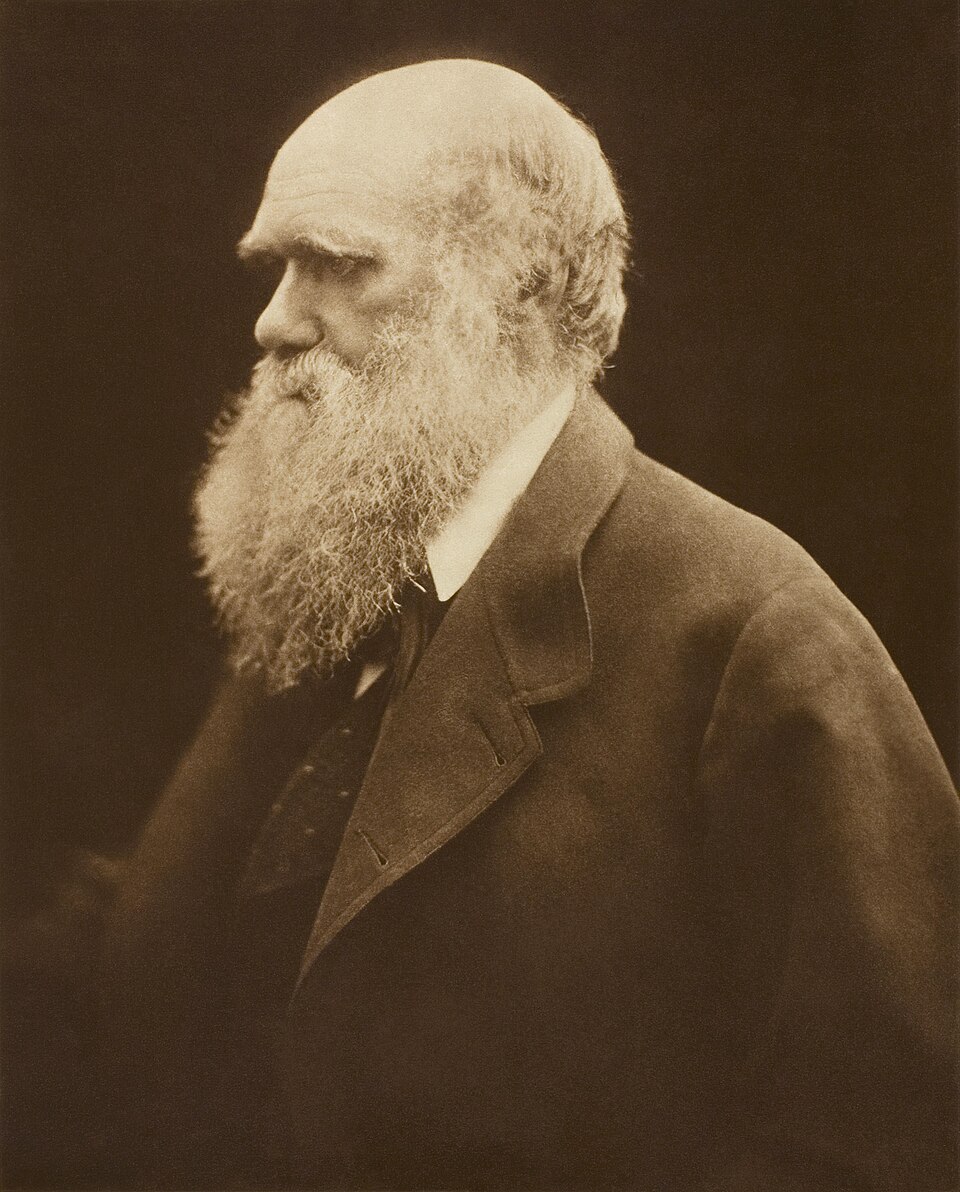
Charles Darwin
Charles Darwin is important to Truth By Reason because his work transformed human understanding of life, species, origins and humanity’s place in nature.
Inclusion in Thinkers does not mean approval. Profiles examine contribution, influence, criticism, limitations and consequences.
Why they matter
Charles Darwin matters because his theory of evolution by natural selection changed how humans understand life. It challenged older assumptions about fixed species and placed human beings within the wider animal kingdom.
For Truth By Reason, Darwin is significant because his work shows how evidence from observation, comparison, natural history and explanation can transform human thinking, even when the conclusion conflicts with inherited religious or cultural ideas.
Main ideas
- Species change over time.
- Natural selection can explain adaptation without requiring direct design for each feature.
- Human beings are part of the natural history of life.
- Small inherited variations, over long periods, can produce major biological change.
Contribution to human thinking
Darwin contributed one of the most important scientific explanations in human history. His work affected biology, anthropology, psychology, religion, ethics and human self-understanding.
He also made it harder to treat humans as completely separate from other animals. This has consequences for animal welfare, moral responsibility and environmental thinking.
Influence and consequences
Darwin’s influence is enormous across biology and public thought. Evolution is central to modern life sciences and continues to shape debates about religion, education and human identity.
His work also forced many people to reconsider literal readings of creation stories and the relationship between science and religious belief.
Criticisms and limitations
Darwin’s science should be distinguished from later ideological abuses. Evolutionary theory has sometimes been misused to defend racism, exploitation, ruthless competition or social hierarchy. Such uses are ethical and logical distortions, not automatic consequences of biological explanation.
Darwin also worked within the limits of 19th-century knowledge. Modern genetics and later biology refined and expanded evolutionary theory.
Ethical concerns
The ethical importance of Darwin’s thought is partly that it connects humans to the animal kingdom and raises questions about how humans treat other sentient beings and the natural world.
The ethical danger is using nature as a moral excuse. What happens in nature does not automatically tell us what humans ought to do.
Conclusion
Charles Darwin belongs in Thinkers because his work profoundly changed human understanding of life, humanity and nature.
His value for Truth By Reason lies in the power of evidence-based explanation to challenge inherited assumptions.