Thinkers
Socrates
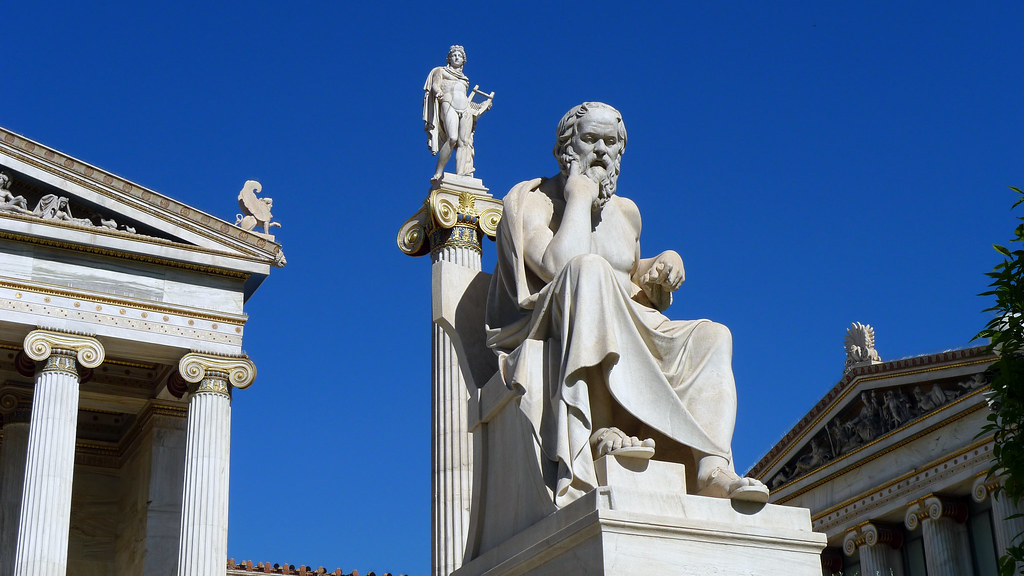
Socrates is important to Truth By Reason because he represents disciplined questioning, the examination of assumptions, and the idea that untested beliefs may be dangerous.
Inclusion in Thinkers does not mean approval. Profiles examine contribution, influence, criticism, limitations and consequences.
Additional images
Why they matter
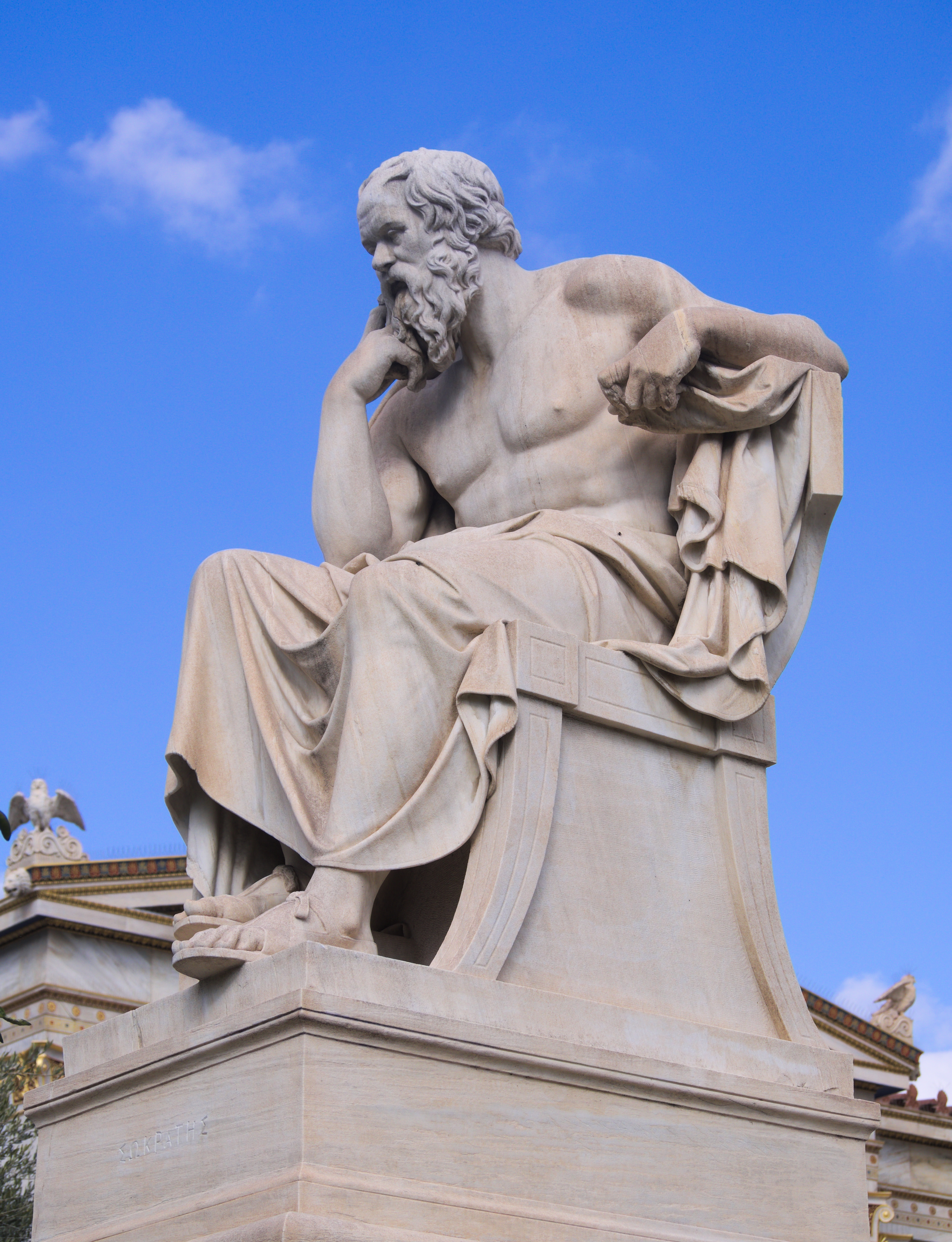
Socrates matters because he made questioning central to philosophy and public life. He is remembered less for writing a system and more for asking people to examine what they claimed to know. This makes him especially relevant to a project concerned with reason, evidence, belief and ethical consequences.
His method challenged confidence without evidence. Instead of simply accepting inherited opinion, social status, political authority or public confidence, Socrates pressed people to define terms, expose contradictions and recognise uncertainty.
Main ideas
- Claims should be examined rather than accepted because they are popular or traditional.
- A person may think they know something while failing to define it clearly.
- Ethical life requires self-examination.
- Questioning can reveal contradiction, confusion and false certainty.
Contribution to human thinking
Socrates helped shape the idea that thinking is not merely having opinions. Thinking requires questioning assumptions, testing definitions and being willing to discover that one does not know.
This contribution remains central to reasoning about religion, politics, morality and public claims. A society that cannot question its own assumptions becomes vulnerable to dogma, propaganda and inherited error.
Influence and consequences
Socrates influenced Plato, later philosophy, ethics, education and the long tradition of critical inquiry. His example also raises the public cost of questioning authority, because he was condemned by Athens and executed.
His influence is not only philosophical. He became a symbol of the examined life and of the danger that societies may punish people who ask difficult questions.
Criticisms and limitations
Socrates is known mainly through others, especially Plato, so separating the historical Socrates from later presentation is difficult.
Questioning can also become destructive if it never moves toward responsible judgement. Endless questioning without proportionate conclusion can become evasion rather than wisdom.
Ethical concerns
The ethical value of Socratic questioning depends on how it is used. It can help people escape false certainty, but it can also humiliate or destabilise if used without care.
For Truth By Reason, the useful lesson is not to copy Socrates uncritically, but to preserve the principle that important claims deserve examination.
Conclusion
Socrates belongs in Thinkers because he helped place questioning at the centre of serious inquiry.
His value for Truth By Reason is the reminder that confidence is not knowledge, and that assumptions should be examined before they are allowed to govern life.
Additional images